How Does a Quartz Crucible Affect Purity During Semiconductor Crystal Pulling?
-
 author
- 10th septiembre 2026
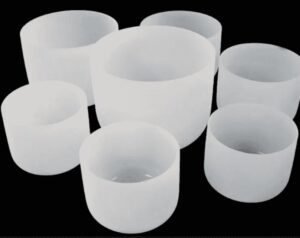
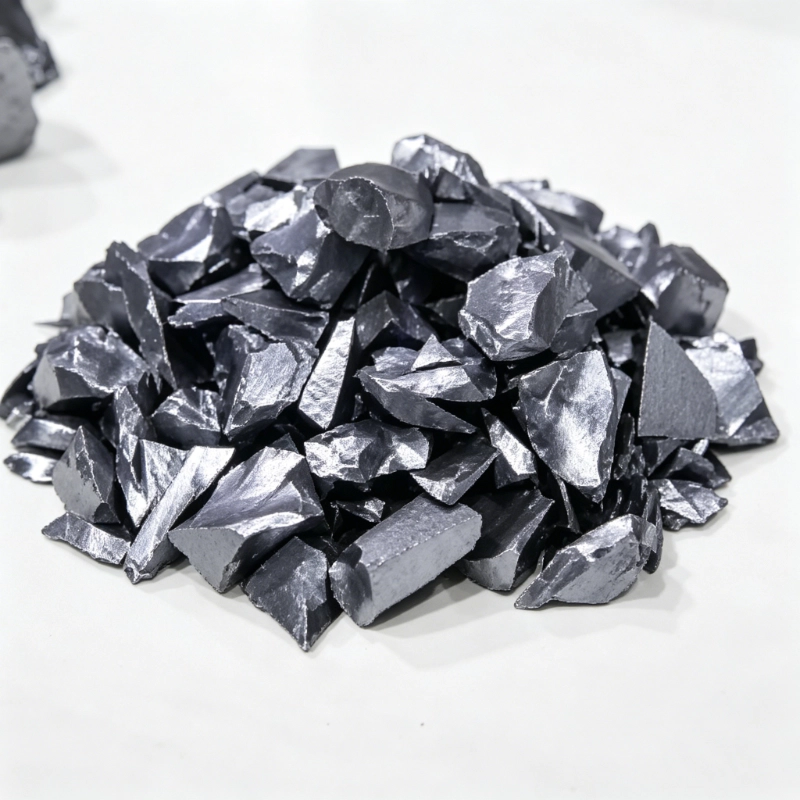
In Czochralski crystal growth, the quartz crucible is not a passive container. It holds molten silicon for the entire pull and becomes part of the chemical and thermal environment that shapes the finished ingot. Even when the charge begins with electronic-grade polysilicon, oxygen, trace metals, particles, and handling contamination can still enter the process. Understanding where those risks come from helps crystal growers qualify a crucible against the actual furnace and wafer specification instead of relying on a general purity label.
Where Can a Quartz Crucible Influence Silicon Purity?
The silicon charge is heated above its melting point while the crucible remains in direct contact with the melt. At that temperature, the silica surface reacts with molten silicon. Oxygen dissolves into the melt, while some silicon-oxygen species leave through the melt surface. The amount and distribution ultimately retained in the crystal depend on crucible condition as well as temperature, pressure, melt flow, rotation, pull speed, and run duration.
This does not mean that every oxygen atom represents a failure. Oxygen behavior can affect mechanical strength, defect formation, and later device processing, and the preferred range varies by wafer application. The larger procurement concern is repeatability. If the melt-contact surface, impurity profile, or high-temperature behavior changes between lots, the crystal process may also become less consistent.
Which Crucible Characteristics Require the Closest Control?
Effective qualification looks beyond nominal diameter and a single headline purity value. Buyers need to connect raw silica quality, inner-layer construction, hydroxyl and bubble behavior, geometry, and manufacturing traceability. These characteristics interact during a pull, so one strong result cannot automatically compensate for weakness elsewhere.
Silica Purity and Trace-Metal Profile
Metallic impurities deserve careful attention because semiconductor crystal growth can be sensitive to very small transferable amounts. Aluminum, iron, calcium, sodium, and potassium are among the elements commonly monitored in quartz materials. A useful certificate identifies the tested elements, measured values, test method, reporting limits, and the production lot represented. A percentage such as 99.999% is incomplete without showing what makes up the remaining fraction.
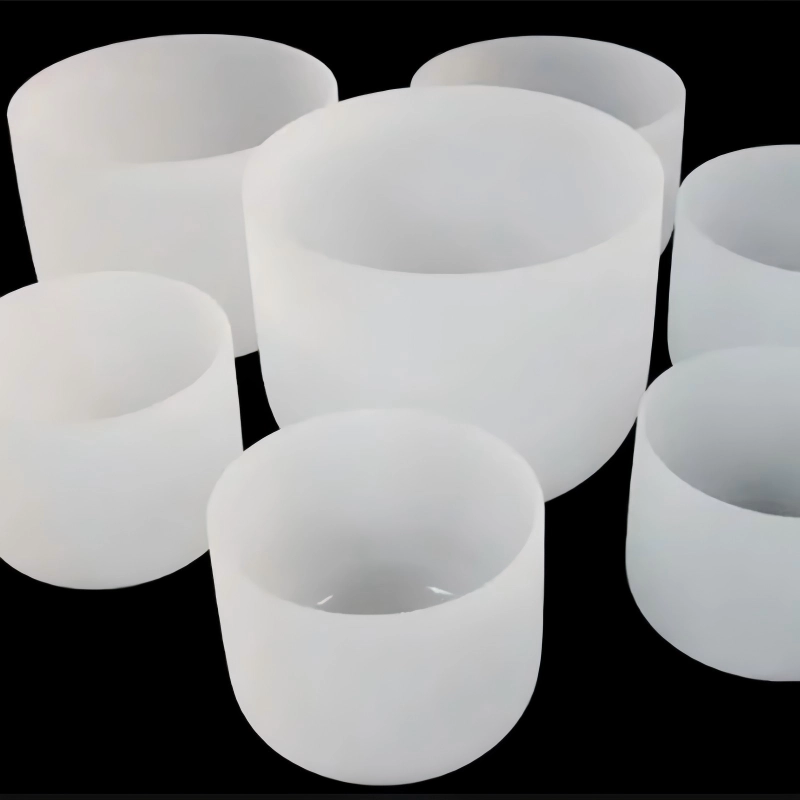
Layer construction matters as well. A crucible may use natural quartz, synthetic silica, or a composite structure with a synthetic inner layer and a natural-quartz outer layer. Because the inner surface contacts the melt first, buyers should verify that impurity data apply to the actual contact layer and shipped lot. The quartz crucible under review should therefore be matched to the required purity level and furnace conditions, not approved from a generic material description.
Hydroxyl Content, Bubbles, and the Inner Surface
Hydroxyl content and trapped gas influence how the crucible surface changes at high temperature. As the pull progresses, bubbles can expand, migrate, or rupture. That behavior may expose fresh silica or release particles near the melt. Surface condition can also evolve differently during a short trial and a long production run, which is why room-temperature appearance alone is not enough for approval.
Qualification records should use consistent definitions for hydroxyl targets, bubble layers, transparent-layer thickness, surface defects, and inspection criteria. When suppliers describe these properties differently, buyers should normalize the terminology before comparing results. The goal is not merely to find the lowest stated number, but to understand whether the specification predicts stable behavior under the intended thermal cycle.
Geometry and High-Temperature Stability
Outer diameter, wall thickness, roundness, verticality, bottom geometry, and tolerances determine how the crucible fits its support and responds to the hot zone. Deformation can change melt depth, convection, and the relative position of the melt surface. Those changes can alter oxygen transport and make an established pull recipe harder to reproduce. Dimensional approval should therefore reference the furnace model, charge size, crystal diameter, support system, and expected run time.

How Should a Purity Investigation Separate Possible Sources?
When a crystal result falls outside specification, the crucible is only one possible source. Feedstock, graphite components, silicon parts, cleaning, loading, furnace history, gas conditions, and operator handling can also contribute. Changing several inputs in one test makes the result difficult to interpret because a good outcome does not identify which change helped, and a poor outcome does not reveal which input caused the problem.
A controlled trial should keep the silicon lot, crucible lot, hot-zone configuration, handling route, and pull parameters traceable. Incoming certificates can then be compared with the post-pull measurements that matter to the wafer specification. Axial and radial impurity patterns, oxygen profiles, particle observations, and the used crucible surface can provide clues, but conclusions should be tied to repeatable evidence rather than a single run.

What Should Buyers Confirm Before Approving a Crucible?
A practical approval package connects the drawing, material construction, inspection report, packing condition, and lot identity. It should make clear which surface contacts the melt, which dimensions were measured, which elements were tested, and whether the reported values are actual results or specification limits. Change-control expectations are also important because a qualified design can become a different process input if raw materials, layer structure, or manufacturing conditions change without notice.
For new furnace combinations or revised purity targets, a small evaluation order can reduce technical and commercial risk before volume purchasing. THE EQUATOR supports sample and small-batch orders and can coordinate material certificates, purity reports, centralized sourcing, and logistics through its supply-chain services. Its broader semiconductor product range helps buyers keep the commercial order aligned with the qualification package while technical approval remains based on their own controlled crystal-pulling results.
FAQs
Q: Does a quartz crucible always increase oxygen in CZ silicon?
A: The silica crucible is a major oxygen source in conventional CZ growth, but the oxygen retained in the crystal is not controlled by crucible purity alone. Temperature, melt flow, crystal and crucible rotation, pressure, pull speed, run duration, and inner-surface behavior all affect oxygen transport. Buyers should therefore qualify the crucible and process together against the oxygen profile required for the wafer application.
Q: Is a fully synthetic quartz crucible always the best option?
A: Synthetic silica can provide a clean melt-contact surface, but a fully synthetic construction is not automatically the best technical or commercial choice for every process. Composite designs combine a synthetic inner layer with a natural-quartz outer structure. Selection should reflect the purity target, furnace geometry, mechanical requirements, thermal cycle, crystal diameter, and results from controlled qualification runs.
Q: Which records are essential for quartz crucible approval?
A: Buyers should connect the approved drawing, layer-construction declaration, inspection report, impurity data, lot identification, and packing records. No single document replaces the others. Approval is strongest when the records refer to the same shipped lot, use test methods capable of supporting the stated limits, and are backed by crystal-pulling results generated under documented conditions.


obleas de silicio
Anillo de silicona
varillas de silicio
Crisol de cuarzo
Piezas de grafito
Silicio policristalino de grado electrónico (a granel)

Asóciate con nosotros para obtener soluciones de semiconductores fiables.
Tanto si necesita materiales semiconductores estándar como si requiere especificaciones técnicas personalizadas, nuestro equipo de ingenieros expertos está listo para ayudarle. Envíenos sus requisitos ahora y reciba un presupuesto detallado y profesional en 24 horas.
Solicitar presupuesto