CZ vs. FZ Silicon Ingots for High-Voltage Power Devices
-
 作者
- 12th 11 月 2026
A device starts life as a disc of crystal. What decides whether it blocks 650 V or 1,700 V? Mostly the growth method.
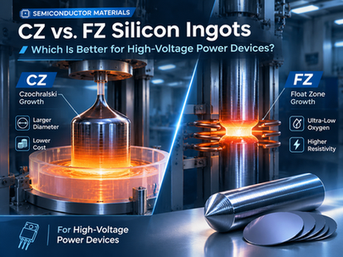
Czochralski (CZ)? A seed pulled from a quartz-crucible melt.
Float Zone (FZ)? A band of silicon melted with radio-frequency energy — no crucible.
So what does the CZ vs FZ silicon ingots question come down to? Four variables: oxygen. Resistivity. Crystal quality. Cost. Which one suits high-voltage power devices best? That depends on what the device must block — and on budget.
Why Silicon Ingot Growth Methods Matter for High-Voltage Power Devices
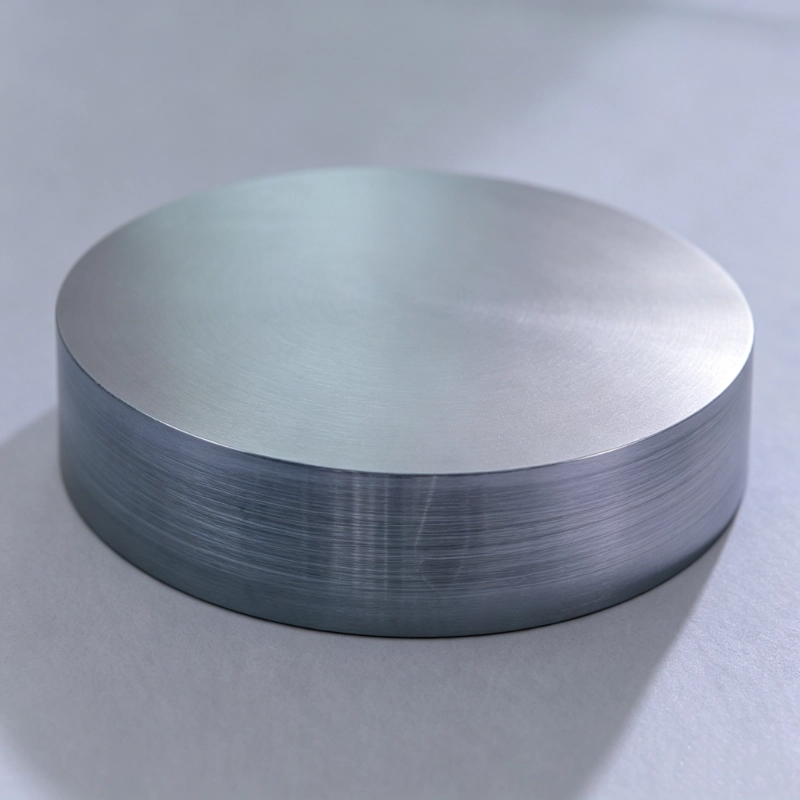
An ingot only earns its keep once it is cut into silicon substrates — the 矽晶片 a power line turns into devices. Resistivity sets how much voltage the drift region holds. Crystal quality governs leakage current and switching. Why grow carefully, then? Defects left in the bulk become hot spots, early failures, wasted die. In power semiconductor manufacturing, the growth method is the first and hardest choice to undo — it fixes breakdown voltage, switching behavior, and yield.
How Are CZ and FZ Silicon Ingots Produced?
Czochralski (CZ) Silicon Growth Process
Polysilicon melts in a quartz crucible above 1,420°C. In goes a seed — and the pull begins. Where does oxygen creep in? The crucible. Quartz dissolves; oxygen enters the melt and stays. MCZ growth adds a magnetic field to calm convection and tighten resistivity uniformity — the oxygen stays, though. CZ trades a little bulk purity for size.
Float Zone (FZ) Silicon Growth Process
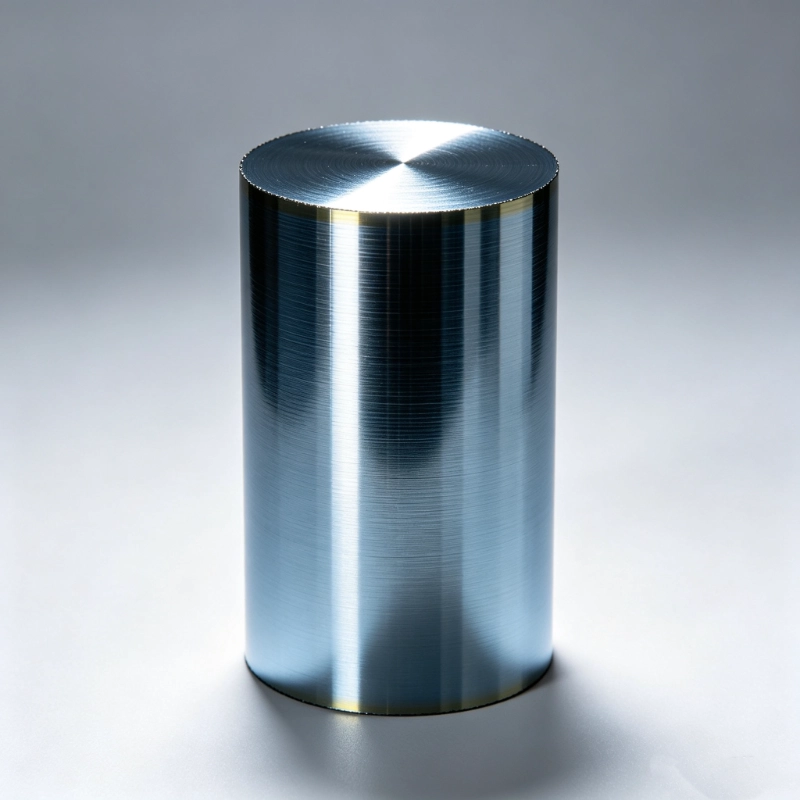
FZ skips the crucible. An RF coil melts a band along a polysilicon rod, then climbs it, resolidifying the zone as it goes. What touches the melt? Only seed and rod — oxygen stays extremely low, impurities left behind. The result: high purity, high resistivity, at a size cost. FZ ingots simply run narrower.
CZ vs. FZ Silicon Ingots: Key Differences
Where do buyers usually start? The table below.
|
Comparison Factor |
CZ Silicon |
FZ Silicon |
|---|---|---|
|
Growth Method |
Quartz crucible pulling |
Crucible-free zone melting |
|
Oxygen Content |
Relatively higher |
Extremely low |
|
Electrical Resistivity |
Generally more limited |
Supports very high resistivity |
|
Crystal Purity |
High, with impurity control required |
Very high |
|
Carrier Lifetime |
Depends on oxygen and defect control |
Can achieve high lifetime with optimized growth |
|
Ingot Diameter |
Supports larger diameters |
More limited diameter availability |
|
Production Cost |
Generally lower |
Generally higher |
|
Typical Applications |
Mainstream ICs and power devices |
High-voltage power devices and RF applications |
What makes the rows real? Oxygen. CZ silicon ingots carry more of it — more thermal donors and precipitation risk at high temperature, so resistivity and lifetime lean on tight control. FZ silicon ingots start lower in oxygen and hold a very high resistivity more steadily. Any of it for free? No — FZ runs cost more and offer fewer large-diameter options.
Why Is FZ Silicon Often Preferred for High-Voltage Power Devices?
Higher Electrical Resistivity
What does high-resistivity silicon actually buy? A thinner blocking layer. The depletion region reaches its fields before breakdown — the voltage class arrives without an impractically thick wafer. Higher target? More headroom the design leans on.
Extremely Low Oxygen Concentration
When does oxygen bite? Mid-run, not at delivery. Oxygen-rich material forms thermal donors and precipitates. Resistivity shifts; carrier lifetime shifts. High-voltage silicon wafers need a stable bulk — low-oxygen FZ silicon keeps the material predictable through the run.
Suitable for High-Power Applications
FZ silicon for IGBTs, power MOSFETs, high-power thyristors — the frequent choice when the bulk spec is strict. Low, stable oxygen keeps the drift region doing its job cycle after cycle. A process that cannot absorb oxygen drift? FZ clears the bar.
When Is CZ or MCZ Silicon a Better Choice?
A compromise? Not in many designs — CZ or MCZ is the rational call. What does CZ silicon for power devices offer? Far less per kilogram, larger diameters. MCZ growth adds a magnetic field to calm the melt and tighten resistivity uniformity, so well-engineered MCZ silicon ingots can support some high-voltage IGBT manufacturing. IET Power Electronics (2019): 300 mm MCZ substrates, 1,200 V IGBTs, made with the right process adjustments. Silicon ingot selection then follows device architecture, process window, and targets — not a blanket preference.
How to Choose the Right Silicon Ingot: A Buyer’s Checklist
Comparing suppliers or writing a procurement spec? The growth method is only the first line of silicon ingot specifications — the numbers decide whether a batch qualifies.
Key Parameters to Evaluate
Voltage rating. Start here — target voltage class and architecture drive the rest.
Electrical resistivity. Confirm target and tolerance for radial and axial variation — not just the center-of-wafer figure.
Oxygen and carbon content. Verify both against the process; a clean resistivity reading says little about high-temperature behavior.
Carrier lifetime. Does the material support your performance and lifetime-control plan?
Conductivity type. N-type or P-type — confirm before the invoice.
Crystal orientation and diameter. Match to downstream slicing and wafer processing.
Defect density and quality documentation. Dislocation density, defect history, batch traceability, material test reports — where 品質檢測服務 belong.
A high-purity silicon supplier that documents all seven on the lot you buy is the one worth a trial. Traceable semiconductor material quality is the point.
Sourcing CZ and FZ Silicon Ingots from THE EQUATOR
Need CZ, MCZ, or FZ material for a power device line? Who covers all three? THE EQUATOR — silicon ingot supplier and semiconductor material supplier. Specific diameters or grades? The custom silicon rods portfolio has them, with N- or P-type conductivity, resistivity, orientation, and dimensions set to a specification. What ships with each batch? Quality inspection, material test reports, traceability — plus third-party inspection when a design needs it. That is the supply chain management a power line expects.
FZ leans toward high voltage and low oxygen; CZ toward cost and size. Pick by electrical performance, process compatibility, procurement needs — then bring the specification to THE EQUATOR.
Looking for reliable CZ or FZ silicon ingots for your high-voltage power device production? Contact THE EQUATOR to discuss your material specifications and sourcing requirements.
常見問題解答
Is FZ silicon better than CZ silicon for high-voltage power devices?
Usually yes — low oxygen, high resistivity, a fit for the drift region. Well-run MCZ material can meet specific device needs, though.
What is the main difference between CZ and FZ silicon ingots?
The growth method. CZ: a seed pulled from a crucible melt. FZ: a melted zone, no crucible. FZ side — lower oxygen, higher resistivity. CZ side — lower cost, larger diameters.
What specifications should buyers check when purchasing FZ silicon ingots?
Resistivity and its uniformity, oxygen, carrier lifetime, conductivity type, orientation — and the batch quality reports. Judge the lot, not just the grade name.


矽晶片
矽膠環
矽膠棒
石英坩堝
電子級多晶矽(塊狀)

與我們合作,取得可靠的半導體解決方案。
無論您需要標準半導體材料還是客製化技術規格,我們的專家工程團隊都隨時準備為您提供協助。立即提交您的需求,即可在 24 小時內收到詳細專業的報價。
索取報價