TaC vs. SiC Coatings: What Changes Inside the Furnace?
-
 author
- 22nd October 2026
If your SiC-coated susceptor comes out of an epitaxy run in good condition and the wafers meet specification, there’s no obvious prize for replacing it with TaC. Leave it alone. The TaC vs. SiC question gets more interesting when you’re losing coating in a hot or chemically aggressive part of the furnace.
TaC may help there. What takes more thought is the heating recipe you already have. Changing the surface changes the way heat leaves it, even if the new component drops straight into the old mounting position.
What Are TaC and SiC Actually Coating?
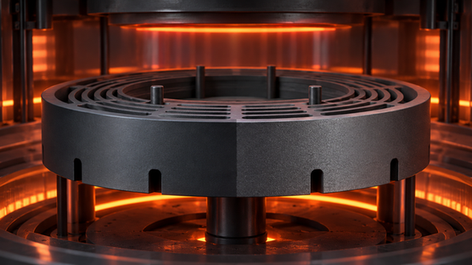
The names mean tantalum carbide and silicon carbide. With coated graphite parts, neither name describes the whole component: beneath the carbide is a machined graphite body.
Think about the rim of a wafer pocket. The graphite gives it shape; the coating covers the surface facing the process. Damage at that rim can leave graphite exposed even though the large flat face still looks immaculate. That’s why a comparison of two carbide materials doesn’t tell you everything about two finished parts.
Where Does Each Coating Make Sense?
The two materials overlap in semiconductor processing. The reason for using them can be quite different.
| Process Situation | SiC Coating | TaC Coating |
|---|---|---|
| Epitaxy with stable wafer results | A sound option to retain | Needs a specific reason for changing |
| More demanding crystal-growth conditions | Check stability in the actual atmosphere | Worth evaluating for greater thermal and chemical stability |
| Existing heating recipe | Provides the current reference | May require thermal retuning |
| Repeated heating and cooling | Inspect coverage and damage | Inspect coverage and damage here too |
SiC in an Established Epitaxy Process
The susceptor has an unglamorous job: hold the wafer and get heat to it evenly. A dense SiC layer deposited by chemical vapor deposition helps keep the process gases away from its graphite body.
Look at why you’re taking the old part out. Is the coating worn through? Have wafer results drifted? Or has it simply reached a scheduled replacement date with nothing unusual to report? In that last case, we’d be reluctant to introduce another process change just for a higher temperature rating.
TaC in a More Demanding Hot Zone
TaC becomes interesting when the existing surface is being consumed too quickly. Its applications include specialized furnace and reactor components operating above 2,200°C, with resistance to media such as hot hydrogen and silicon vapor.
That puts TaC firmly in the conversation for demanding crystal-growth hardware. It doesn’t create a single temperature at which every SiC part should be replaced. The atmosphere matters. So does how long the surface spends at temperature. A brief peak and a long growth run put different demands on the same coating.
What Changes When You Switch to TaC?
The surface can survive better and still behave differently. Heat exchange is part of that difference; temperature measurement can be another.
Lower Emissivity Changes Heat Exchange
In a 2022 study, TaC coatings had a measured emissivity of 0.30–0.43 at 1,000°C. Emissivity describes how readily a surface emits thermal radiation. It isn’t the same as thermal conductivity through the material.
The researchers connected TaC’s low emissivity with improved temperature uniformity in SiC physical vapor transport growth. They also found reduced power consumption in SiC crystal growth and GaN epitaxial deposition.
Notice the test temperature: 1,000°C. You can’t carry that range unchanged into every hotter process. What you can take from the work is a reason to revisit the thermal setup, rather than a ready-made energy-saving percentage for your furnace.
The Old Recipe May Need Attention
Imagine replacing a SiC-coated carrier with a TaC-coated version. The fit is right. Nothing has visibly chipped. Yet the next run’s wafer results have shifted.
I’d look at the temperature measurement before blaming the coating. A pyrometer looking at a different surface may need a different emissivity setting; check the calibration for that arrangement. Then look at how evenly the part heats.
The controller may display the familiar number throughout. That alone won’t tell you whether the wafer saw the same conditions.
How Do You Judge a Coating After Use?
Once the part is cool enough to handle, give the pocket edges some attention. Suppose there’s a rough patch at one edge while the opposite edge is untouched. I’d want to know whether that position lines up with a gas inlet or a handling contact before deciding SiC had reached its limit.
A photograph helps much more if you can place it in time. Write the run count beside it. Take the next photograph from the same angle, with the same lighting. An old image marked only “used part” is frustratingly little to work with.
For these semiconductor process consumables, cleaning belongs in the record too. Comparing one part after several cleanings with another straight from a growth run can lead you toward the wrong explanation.
Put surface defect inspection beside the wafer results. The graphite’s purity number won’t answer whether a pocket edge has chipped. And if a flawless-looking replacement gives poorer wafer uniformity, return to the heating investigation before calling the trial a success.
Is Your Furnace Ready for a Coating Change?
A worn edge is a better starting point than a melting-point comparison. Work out what’s happening there, then decide whether TaC addresses it. Allow time for the heating checks if you go ahead.
You’re welcome to talk through the coating change with us. A clear photograph of the damage is useful. Add the operating temperature and atmosphere, along with how many runs the part has seen. That gives us something concrete to discuss.
FAQ
Is TaC Always Better Than SiC?
No. We’d keep a proven SiC part unless something about its performance needs to change. Extra temperature capability has little value in a furnace that never needs it.
Can You Keep the Same Temperature Settings?
Possibly, after checking. Keep the old recipe as your reference during the trial, but measure what happens with the replacement. Matching the old controller setting is only one piece of that comparison.
Does a Thicker Coating Last Longer?
A thickness figure leaves several questions unanswered. Is the layer continuous around the pocket? Does it stay attached after repeated heating? Extra material on the flat face is little comfort if graphite is exposed at an edge.
How Many Runs Will Either Coating Last?
There’s no useful universal count. Compare parts under the same growth and cleaning conditions. Also agree on what “lasts” means. A part still sitting in the furnace is no use if the wafers have stopped meeting specification.


Silicon Wafers
Silicon ring
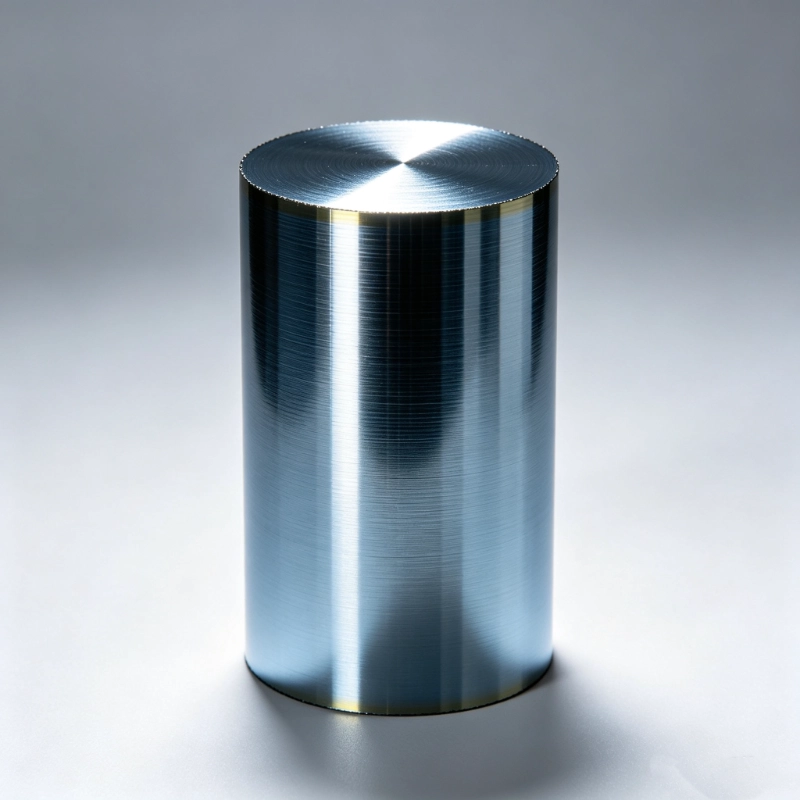
Silicon rods
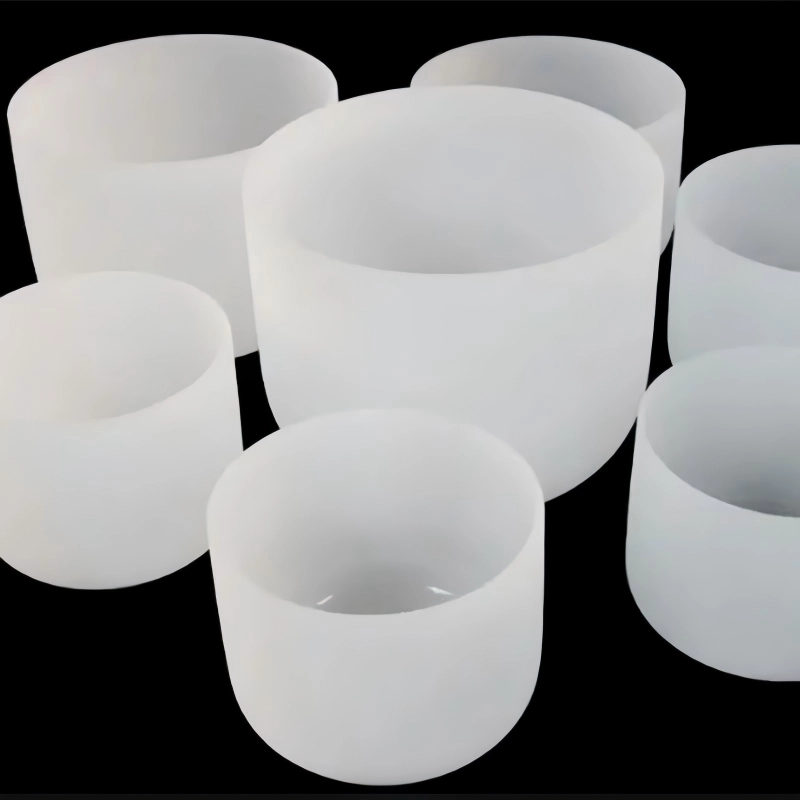
Quartz crucible
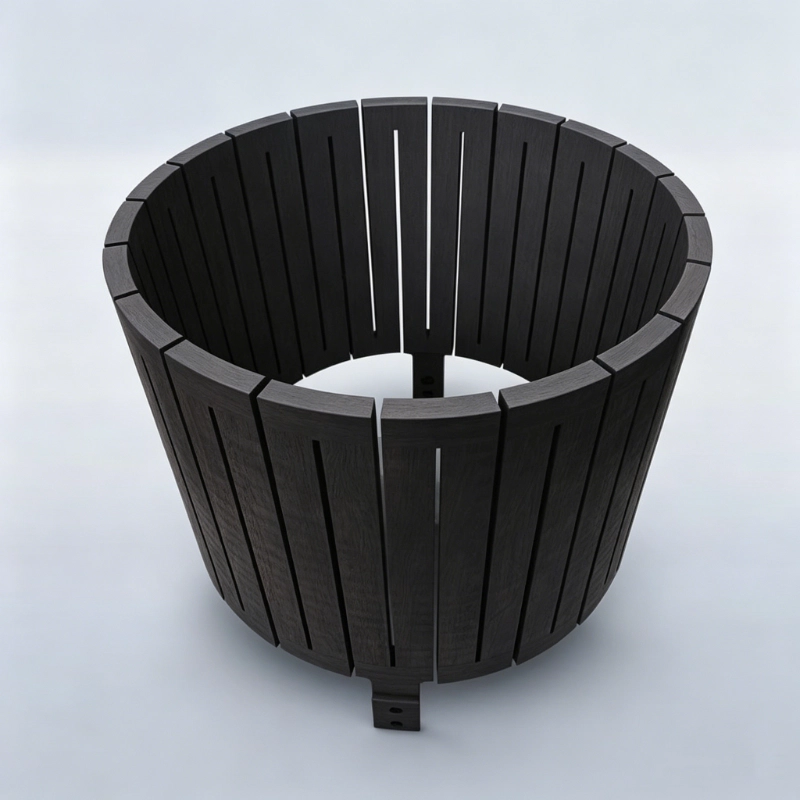
Graphite parts
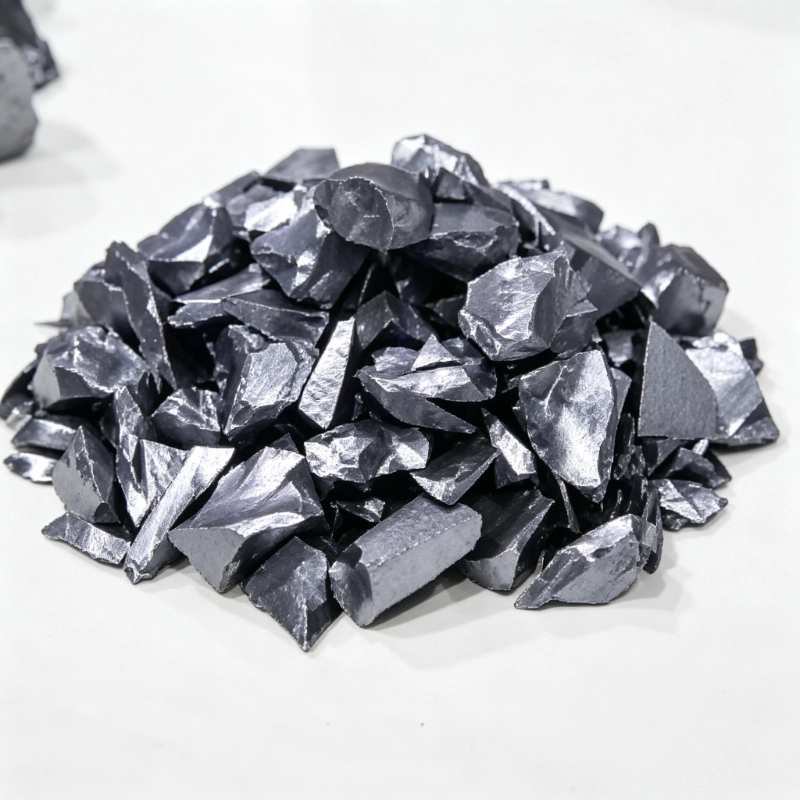
Electronic-grade polycrystalline silicon (bulk)

Partner with us for reliable semiconductor solutions.
Whether you need standard semiconductor materials or custom technical specifications, our expert engineering team is ready to help. Submit your requirements now and receive a detailed, professional quote within 24 hours.
Request A Quote