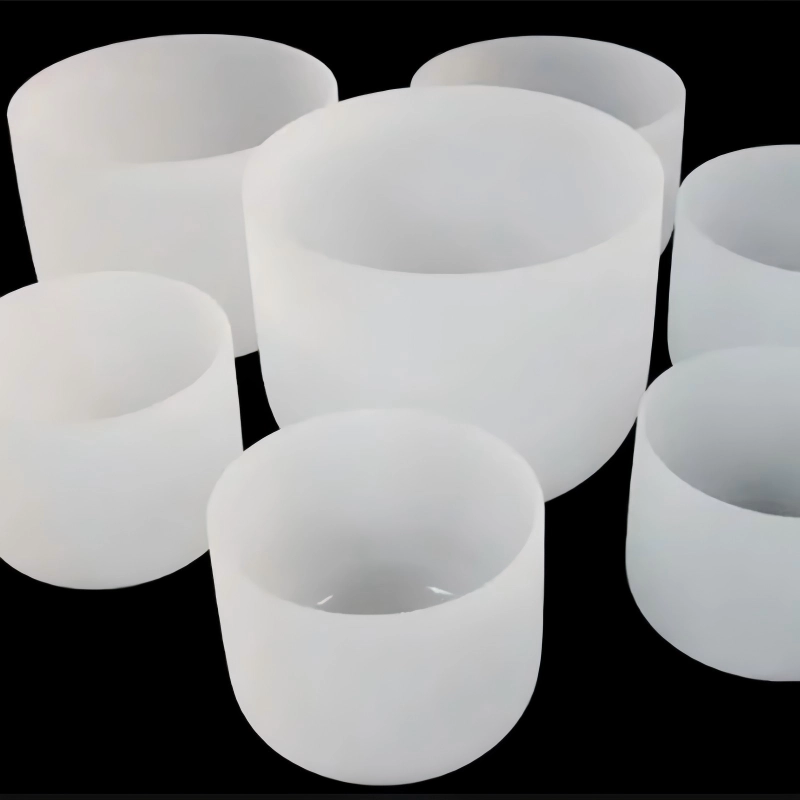
Quartz crucible
Product Details
a) Product Features and Advantages
Ultra-High Purity
Fabricated from high-purity quartz sand, our quartz crucibles adopt synthetic quartz material with purity exceeding 99.999%. The aggregate level of critical metallic impurities, including aluminium, iron, calcium, sodium and potassium, is maintained below 2 ppm.
Thanks to such ultra-low impurity levels, risks of metallic contamination within silicon melt are significantly minimised. Single-crystal silicon rods drawn from the melt therefore achieve enhanced minority carrier lifetime and reduced oxygen content, fulfilling the strict quality standards demanded for high-end chip production.
Excellent Thermal Stability
The quartz crucible has an extremely low coefficient of thermal expansion, approximately 5.5 x 10^-7 Kelvin, and excellent thermal shock stability. It can withstand rapid heating and cooling processes from room temperature to over 1400 degrees Celsius without cracking or deformation. During the single-crystal pulling process, the crucible needs to withstand the erosion of the high-temperature silicon melt and thermal cycling shocks for extended periods. Our quartz crucibles, through optimized melting processes and precise heat treatment, ensure stable performance under harsh conditions.
High-purity inner surface layer
Addressing the stringent high-purity requirements of large-size single-crystal silicon pulling, our company offers composite-structure quartz crucibles with an inner layer of synthetic sand and an outer layer of natural sand. The inner surface, in direct contact with the silicon melt, uses a layer of synthetic quartz sand, possessing extremely high purity and an extremely low hydroxyl content (less than 100 parts per million), effectively suppressing bubble formation and oxygen release in the silicon melt. The outer layer uses natural quartz sand to provide structural strength, ensuring both inner surface purity and cost-effectiveness.
High dimensional accuracy
Our company is equipped with advanced quartz crucible forming and testing equipment, controlling the dimensional accuracy of the crucible within ±1 mm to ensure excellent matching with the single-crystal furnace thermal system. Key dimensional indicators such as crucible wall thickness uniformity, roundness, and perpendicularity are rigorously tested to avoid problems such as furnace loading difficulties or uneven thermal distribution caused by dimensional deviations.
Excellent bubble layer control
During use, the outer bubble layer of the quartz crucible acts as insulation and buffers thermal stress. Our company has effectively controlled the uniformity and thickness of the bubble layer by optimizing the melting process parameters, resulting in better thermal uniformity and a longer service life for the crucibles during high-temperature use.
Strong Batch Consistency
Each batch of quartz crucibles undergoes rigorous dimensional and visual inspections. Key quality indicators such as dimensions, wall thickness, bubble layer condition, and impurity content are meticulously recorded and traceable. Customers can confidently purchase and use in bulk, avoiding instability in the crystal pulling process caused by crucible quality fluctuations.
Stable and Reliable Supply
Leveraging strategic partnerships with high-quality domestic and international quartz sand suppliers, our company possesses stable raw material supply channels and large-scale production capabilities, enabling us to meet customers’ diverse specifications and large-volume purchasing needs. We have also established a comprehensive inventory management and logistics system, ensuring timely delivery and helping customers avoid production interruption risks.
b) Product Parameters
The product name is Quartz Crucible, manufactured using an electric arc melting process. The product appearance is translucent or transparent, milky white or colorless. The product is made of high-purity quartz glass, with synthetic quartz sand achieving a purity of over 99.999%, and natural quartz sand achieving a purity of no less than 99.99%. Regarding impurities, the total content of key metal impurities such as aluminum, iron, calcium, sodium, and potassium is controlled below 2 parts per million. The hydroxyl content can be controlled between 50 and 150 parts per million according to customer requirements, with the synthetic quartz sand layer having a hydroxyl content of less than 100 parts per million. The softening point temperature is no less than 1650 degrees Celsius, and the maximum operating temperature can reach over 1400 degrees Celsius. The coefficient of thermal expansion is approximately 5.5 x 10^-7 Kelvin. Product sizes range from 200 mm to 800 mm in outer diameter, corresponding to 8-inch to 32-inch single crystal furnace requirements. Dimensional accuracy is controlled within ±1 mm. Crucible wall thickness ranges from 3 mm to 15 mm and can be customized according to customer process requirements. The bottom shape can be either rounded or flat. Regarding composite structures, a double-layer composite structure with an inner layer of synthetic sand and an outer layer of natural sand is available, with the inner layer typically accounting for 20% to 40% of the total thickness. Each crucible comes with an inspection report, including dimensional data and visual inspection records.
Application Areas/Scenarios
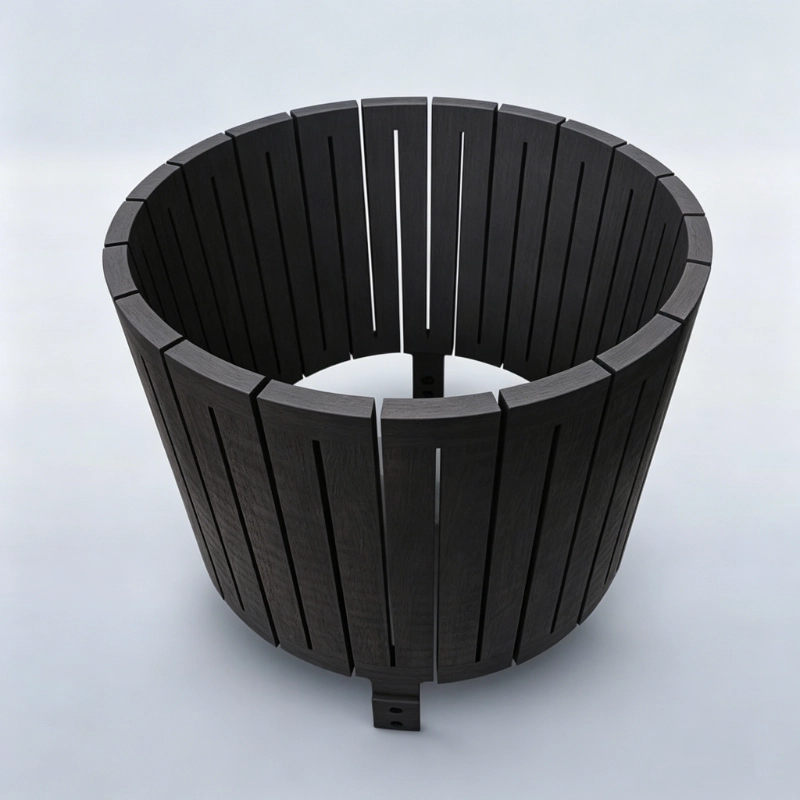
- Semiconductor Single Crystal Silicon Pulling: Quartz crucibles are a core consumable component in the Czochralski method of growing single crystal silicon in semiconductors. They are used to hold polycrystalline silicon raw materials and melt them into silicon melt at high temperatures. In the single crystal furnace, the quartz crucible is installed inside a graphite crucible, in direct contact with the silicon melt. Quartz crucibles are indispensable for pulling single crystal silicon rods from eight inches to twelve inches and even larger. Our products can cover crucible needs for pulling single crystal rods from six inches to eighteen inches.
- Photovoltaic Single Crystal Silicon Pulling: In the photovoltaic industry, quartz crucibles are also used for pulling single crystal silicon rods in the Czochralski method to produce single crystal silicon wafers needed for photovoltaic cells. Photovoltaic-grade quartz crucibles have slightly lower purity requirements than semiconductor-grade crucibles, but higher requirements for cost and production efficiency. Our company can provide product solutions with different purity levels and price ranges according to customer needs.
- Large-size silicon wafer R&D: As the semiconductor industry develops towards larger silicon wafers, higher requirements are placed on the size, purity, and lifespan of quartz crucibles. Our large-size quartz crucibles with an inner layer of synthetic sand composite structure can meet the special requirements of high purity and low oxygen content in the pulling process of 12-inch and larger single-crystal silicon.
- Special material melting: Due to its excellent high-temperature performance and chemical stability, quartz crucibles can also be used in the melting and purification processes of other high-purity materials, such as the melting of certain optical materials and special glasses.
Frequently Asked Questions
Q: What’s the difference between synthetic quartz crucibles and natural ones? How should customers choose?
A: Synthetic quartz crucibles are made from chemically synthesized quartz sand. They offer purity above 99.999%, hydroxyl content below 100 ppm, and a uniform bubble layer distribution. Natural quartz crucibles, on the other hand, use natural quartz sand as raw material, with purity around 99.99% and hydroxyl content in the range of 100 to 200 ppm.
Q: What is the lifespan of a quartz crucible?
A: Quartz crucibles are disposable consumables, typically requiring replacement after one or two monocrystalline silicon pulling operations. The specific lifespan is affected by various factors, including the size of the monocrystalline silicon being pulled, the crystal pulling process parameters, the crucible’s wall thickness, and its quality. In a standard monocrystalline silicon pulling process, one quartz crucible can usually complete one full crystal pulling process, and under certain process conditions, it can be reused once. During use, the inner surface of the crucible will gradually crystallize and produce a thickened bubble layer, which may eventually lead to cracking or contamination of the silicon melt.
Q: What treatment is required before using a quartz crucible?
A: Before a quartz crucible is put into use, a visual inspection should be carried out to confirm that there are no cracks, abnormally concentrated bubbles, or surface contamination. Prior to loading it into the single crystal furnace, the crucible typically needs to be cleaned—this can be done by purging the inner surface with high-purity nitrogen or wiping it with high-purity alcohol. During installation, clean gloves must be worn to prevent any direct contact with the crucible’s inner surface. Once the crucible is loaded into the furnace, it also needs to undergo high-temperature baking to remove any adsorbed moisture and impurities from its surface.
Q: How to evaluate the quality of a quartz crucible?
A: Multiple core parameters should be assessed to determine quartz crucible quality.
Purity. Low impurity levels are preferred, particularly metallic contaminants including aluminum, iron, calcium, sodium and potassium.
Hydroxyl content. Lower hydroxyl values are essential for large-diameter monocrystalline silicon pulling processes.
Bubble layer. Bubbles require even distribution, free from concentrated large bubble agglomerations.
Dimensional accuracy. Outer diameter and consistent wall thickness must comply with specified standards.
Surface condition. No cracks, stains, scratches or other visible defects are permitted.
Test certificates are supplied with every production batch, enabling customers to conduct independent quality verification.
Q: Do you support customization of quartz crucibles?
A: Yes, we support customized production of quartz crucibles. Customers can provide the required dimensions (outer diameter, height, wall thickness), bottom shape (rounded bottom or flat bottom), purity grade (fully synthetic, composite structure, or all-natural), and specific labeling requirements. Customized products require prior communication with our technical team to confirm the technical solution and delivery date.
Q: Can used quartz crucibles be recycled?
A: Quartz crucibles subjected to high-temperature service will experience surface crystallization and potential contamination. For semiconductor applications, these used crucibles are typically not suitable for direct recycling.
In the photovoltaic sector, some customers choose to recycle used crucibles by processing them into crushed materials for lower-end applications.
We offer customized recycling solutions for clients in need. For specific arrangements, please contact our sales team directly.

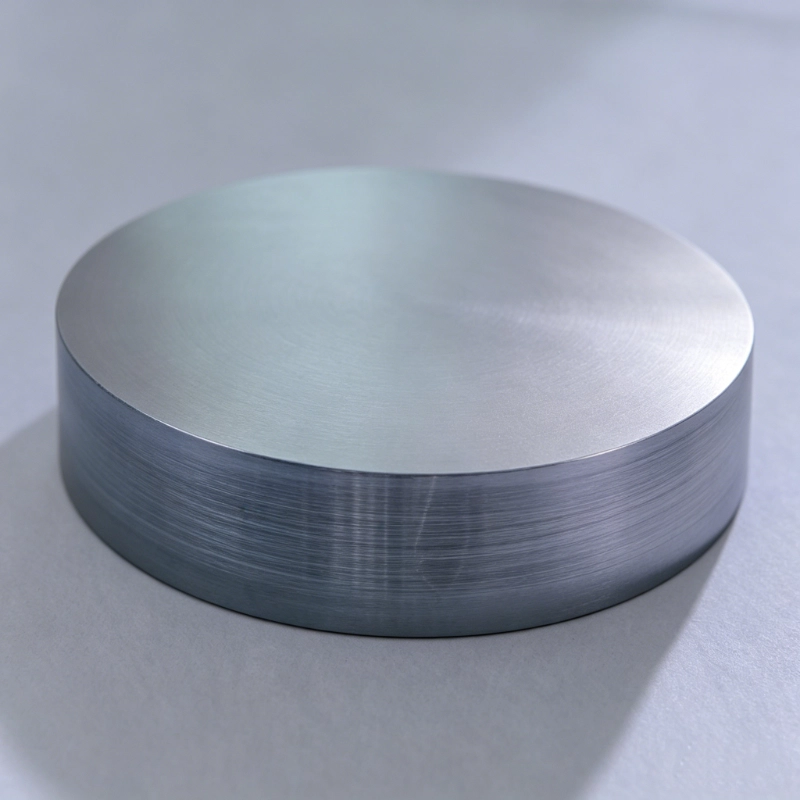
Silicon Wafers
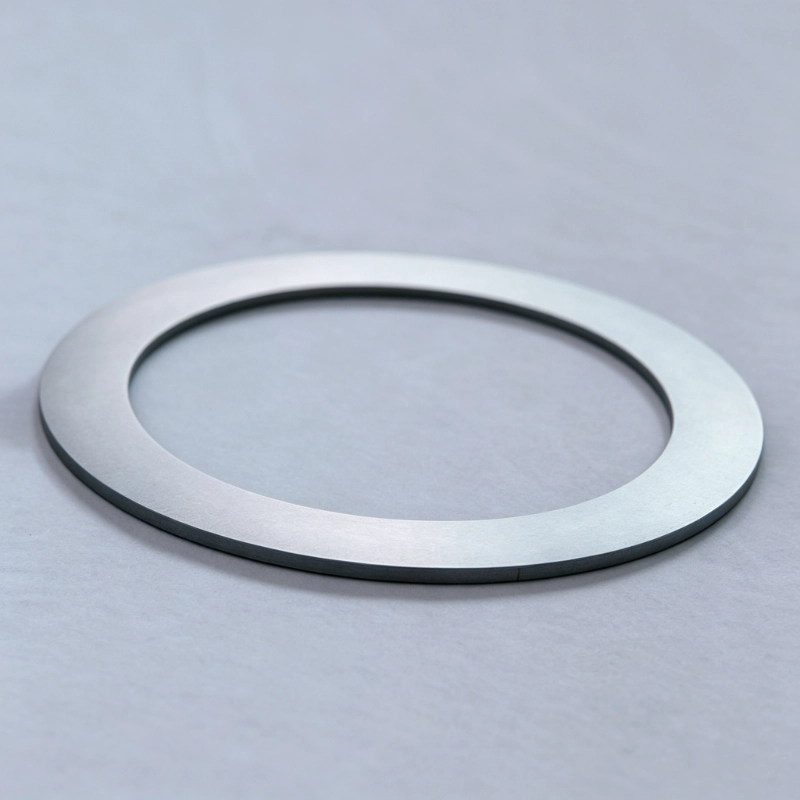
Silicon ring
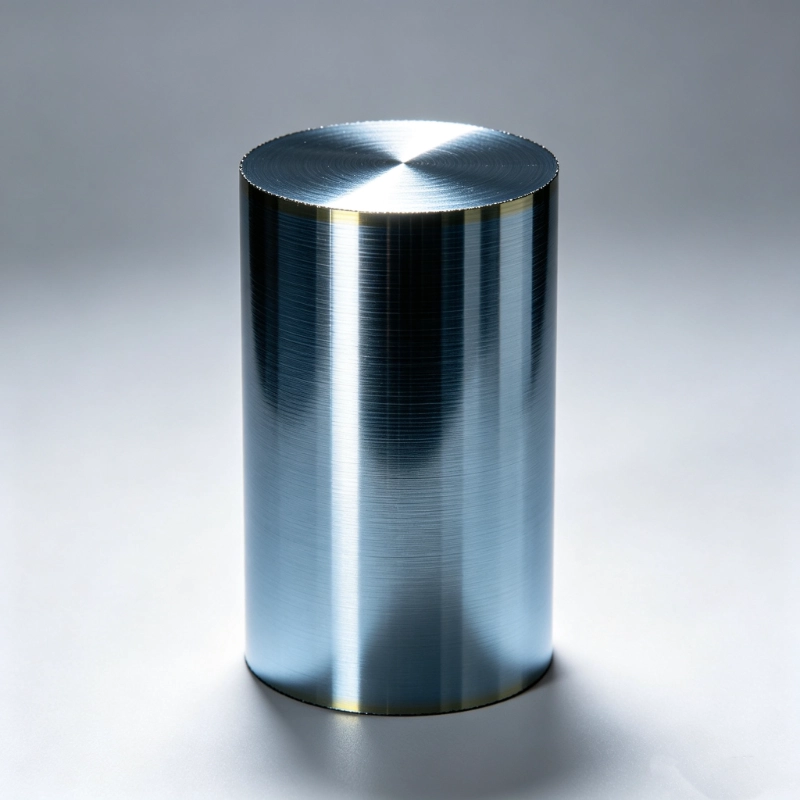
Silicon rods
Graphite parts
Electronic-grade polycrystalline silicon (bulk)
Electronic-grade polycrystalline silicon (particles)
News & Announcements
Recent Articles
 15th October 2026
Can a Small Batch Qualify Semiconductor Raw Materials?
 8th October 2026
Why Does Electronic Grade Polysilicon Price Vary?
 2nd October 2026
What Purity and Resistivity Data Should a High Purity Silicon Ingot Provide?
 10th September 2026
How Does a Quartz Crucible Affect Purity During Semiconductor Crystal Pulling?
 23rd September 2026
Why Does Silicon Wafer Price Vary for 8- and 12-Inch Sizes?
 17th September 2026
How Does a Silicon Focus Ring Improve Etch Uniformity?
Our Service
Quality testing services

Supply chain management services

Partner with us for reliable semiconductor solutions.
Whether you need standard semiconductor materials or custom technical specifications, our expert engineering team is ready to help. Submit your requirements now and receive a detailed, professional quote within 24 hours.
Request A Quote