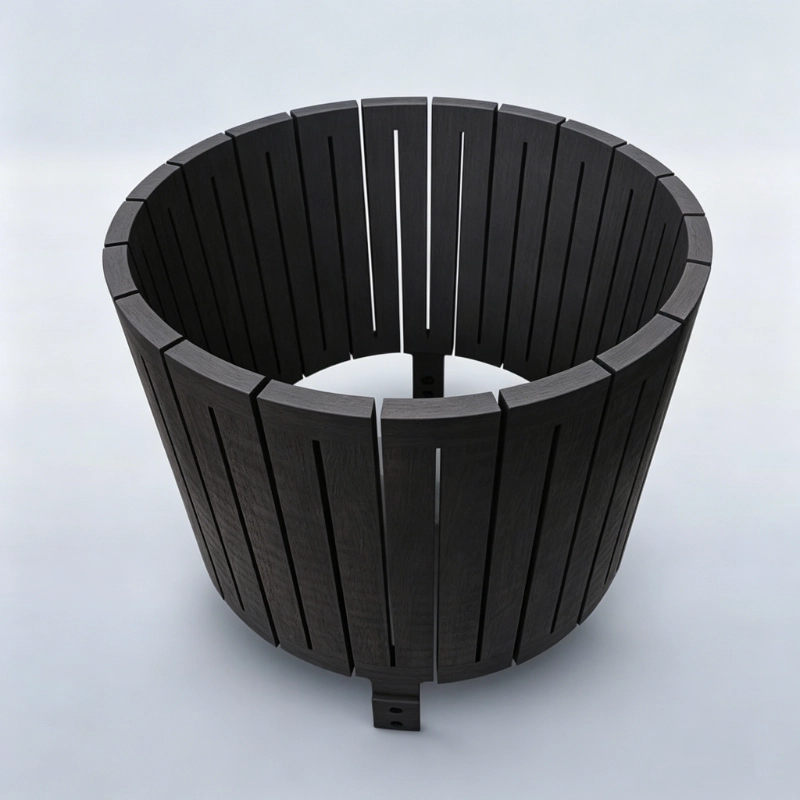
Graphite parts
Product Overview
High-purity graphite components occupy a critical position across semiconductor manufacturing workflows. They are precision machined blanks processed from high-purity graphite raw stock.
This grade of graphite contains no less than 99.99% carbon and exhibits a well-rounded set of functional attributes. It features high mechanical strength and density, alongside robust resistance to high heat and oxidation. The material delivers stable thermal and electrical conductivity, good tolerance to thermal shock, inherent self-lubricity, excellent corrosion resistance, and outstanding suitability for precision machining.
In the semiconductor industry, parts made from this material show up in a range of critical applications—particularly in hot zone components for single crystal growth furnaces and in epitaxial equipment.
Our company uses isostatic pressing to produce fine-grained high-purity graphite with a grain size controlled below 50 micrometers, exhibiting excellent uniformity of microstructure and surface quality. The product purity can reach over 99.999%, and tantalum carbide or silicon carbide coating treatments can be provided according to customer requirements, effectively extending service life and reducing the risk of particulate contamination.
Product Details
a).Product Features and Advantages
Ultra-high purity and low contamination risk
Our high-purity graphite parts are made from fine-grained graphite material formed by isostatic pressing. After high-temperature purification, the purity can reach over 99.999% (5N), meeting the requirements of the extremely clean environment in semiconductor front-end processes. As a low atomic number material, graphite has strong resistance to ion and plasma bombardment and will not release metal ions to contaminate the semiconductor process environment. Each batch of products undergoes rigorous impurity testing to ensure that the content of key metal impurities (such as Fe, Cu, Na, K, etc.) is controlled at the ppb level.
Excellent High-Temperature Performance
Graphite retains stable physical and chemical properties under extreme thermal conditions. It works steadily at temperatures upwards of 2000°C, most notably within vacuum or inert gas environments.
A low coefficient of thermal expansion combined with good thermal conductivity enables strong resistance to thermal shock.
Deployed as heaters, crucibles and other hot zone parts for single crystal growth furnaces, graphite components withstand recurring thermal cycling with no cracking or deformation. This robust durability prolongs equipment maintenance intervals and creates practical operational advantages for end users.
Precision Machining Capabilities
Our company is equipped with advanced CNC precision machining equipment, achieving a machining accuracy of ±0.01mm, enabling high-precision machining of complex geometries. The uniform microstructure of fine-grained isostatic graphite ensures surface smoothness and dimensional stability, making it suitable for applications with extremely high dimensional accuracy requirements, such as ion implanter shields, etching equipment liners, and MOCVD support disks.
Enhanced Performance through Coating Technology
For harsh process environments, we offer tantalum carbide (TaC) and silicon carbide (SiC) coated graphite parts. Tantalum carbide coatings boast a high melting point alongside strong resistance to thermal shock and plasma erosion. They provide reliable protection against corrosion under high-temperature halogen environments and greatly prolong the service life of graphite components. Meanwhile, the coating’s minimal metal elution keeps wafers free from contamination.
Silicon carbide coatings are applied onto graphite surfaces via chemical vapor deposition to form a compact protective barrier. This layer enhances the substrate’s performance against abrasion, chemical corrosion and oxidation.
Reduced Total Cost of Ownership (TCO)
Thanks to superior material properties and precision machining quality, our graphite parts offer longer service life and more stable process performance. By reducing replacement frequency and minimizing yield losses due to particulate contamination, we help customers effectively reduce overall operating costs.
Customizable Solutions
In addition to standard-specification graphite parts, we offer fully customized services based on customer process requirements, including customization of specific dimensions, shapes, coating types, and thicknesses. We provide one-stop technical support from material selection advice and drawing design to finished product delivery.
b) Product Parameters
Product name: High-purity graphite parts;
raw material: isostatic pressing fine-grained high-purity graphite;
material purity: over 99.999%, ash content: not exceeding 10 parts per million; material density: not less than 1.78 to 1.85 grams per cubic centimeter. Grain size controlled below 50 micrometers. Bending strength not less than 40-60 MPa, compressive strength not less than 70-90 MPa. Resistivity approximately 10-15 micro ohms per meter. Thermal conductivity at room temperature approximately 100-130 watts per meter per Kelvin. Coefficient of thermal expansion approximately 4.5 x 10⁻⁶ per Kelvin from room temperature to 600 degrees Celsius. Maximum operating temperature of the product can reach over 2000 degrees Celsius in a vacuum or inert atmosphere. Machining accuracy can reach ±0.01 millimeters. Surface roughness can be controlled below 3.2 micrometers according to customer requirements.
Coating type can be provided as tantalum carbide or silicon carbide coating, and coating thickness can be customized according to process requirements.
Application Areas/Scenarios
Single crystal growth furnace thermal system: Graphite components are widely used in single crystal silicon growth furnaces, including graphite crucibles for supporting polycrystalline silicon raw materials, graphite heaters as heating elements for the thermal field, graphite insulation covers for heat insulation, and graphite electrodes for connecting the heating power supply. These components operate for extended periods in a high-temperature vacuum environment, requiring extremely high high-temperature performance and purity of the materials.
Epithelial Equipment: In epitaxial growth processes, graphite substrates support the wafer and uniformly transfer heat, while graphite nozzles deliver reactive gases. Graphite substrates with silicon carbide coating deliver superior corrosion resistance and consistent thermal performance. These characteristics help achieve more uniform epitaxial layer thickness and better crystal quality.
Etching Equipment
During plasma etching, graphite liners safeguard chamber inner walls, cutting down polymer accumulation and slowing chamber corrosion. Graphite focusing rings regulate plasma distribution to secure consistent etching results. Thanks to its good plasma tolerance, graphite is widely adopted for various etching chamber components.
Ion Implanters
For ion implantation applications, graphite shields trap stray ion beams and avoid contamination inside the process chamber. Graphite electrodes generate and guide the ion beam. Graphite’s low sputtering rate and low metal contamination characteristics make it an ideal choice for internal components of ion implanters. Organometallic Chemical Vapor Deposition Equipment: In compound semiconductor epitaxial growth, silicon carbide-coated graphite support pads are used to support the substrate and achieve uniform heating, requiring extremely high temperature uniformity and surface cleanliness. Our silicon carbide-coated graphite support pads can meet the process requirements for epitaxial growth of third-generation semiconductor materials such as gallium nitride and silicon carbide.
Frequently Asked Questions
Q:What purity level can high-purity graphite parts achieve?
A: Our high-purity graphite parts, after high-temperature purification, achieve a purity of over 99.999%, with ash content controlled below 10 parts per million. Key metallic impurities such as iron, copper, sodium, and potassium are controlled at the 1 part per billion level, fully meeting the high-cleanliness requirements of semiconductor front-end processes.
Q: Why do graphite parts oxidize during use? How can this be avoided?
A: Graphite starts to oxidize when exposed to air at temperatures above 400–500°C. Over time, oxidation leads to material loss and a gradual decline in the performance of the component.
To minimize this risk, it’s recommended that graphite components be used in vacuum environments or under inert gases such as argon or nitrogen. When operation under non-inert conditions is unavoidable, coated graphite parts—specifically those with silicon carbide or tantalum carbide coatings—offer a more reliable alternative. These coatings serve as a barrier against oxygen and can significantly improve oxidation resistance.
Q: What are the differences between tantalum carbide and silicon carbide coatings? How should customers select the suitable option?
A: Tantalum carbide coatings feature a higher melting point and stronger resistance against plasma corrosion. They perform best under extreme operating conditions, especially high-temperature halogen-rich environments.
Silicon carbide coatings are deposited via chemical vapor deposition to form a compact protective film, delivering balanced performance in wear protection, corrosion resistance and oxidation resistance.
Selection should be determined by actual process requirements. Tantalum carbide coatings are preferred when working media contain highly corrosive chlorine, fluorine and similar gases. If wear and oxidation protection are the main priorities, silicon carbide coatings provide a more cost-effective solution.
Q: What is the service life of graphite parts?
A: The service life of graphite parts is affected by various factors, including operating temperature, atmospheric conditions, process frequency, and whether a protective coating is applied. Under normal use and maintenance conditions, the service life of graphite hot zone components for single-crystal furnaces is typically six to twelve months. Graphite parts coated with silicon carbide or tantalum carbide have better corrosion resistance and oxidation resistance, extending their service life to eighteen to twenty-four months or even longer.
Q: Can non-standard graphite parts be customized?
A: Yes. Our company provides full customization services. Customers can provide drawings or samples, and we will select materials, design coating schemes, and perform precision machining based on specific process requirements. Whether it’s a specific size, complex shape, or special coating requirements, customization is possible. We recommend communicating with our technical team in advance to obtain the optimal solution.
Q: How to clean and maintain graphite parts?
A: Cleaning of graphite parts should be carried out in a clean environment. Common cleaning methods include: purging the surface with high-purity nitrogen to remove particulate matter; wiping the surface with isopropanol or anhydrous ethanol; for more severe contamination, ultrasonic cleaning followed by high-temperature vacuum baking can be used. After cleaning, avoid direct contact with the graphite part surface with your hands; it is recommended to wear clean gloves during operation. For coated graphite parts, avoid using strong acids or alkalis or hard brushes that may damage the coating during cleaning.

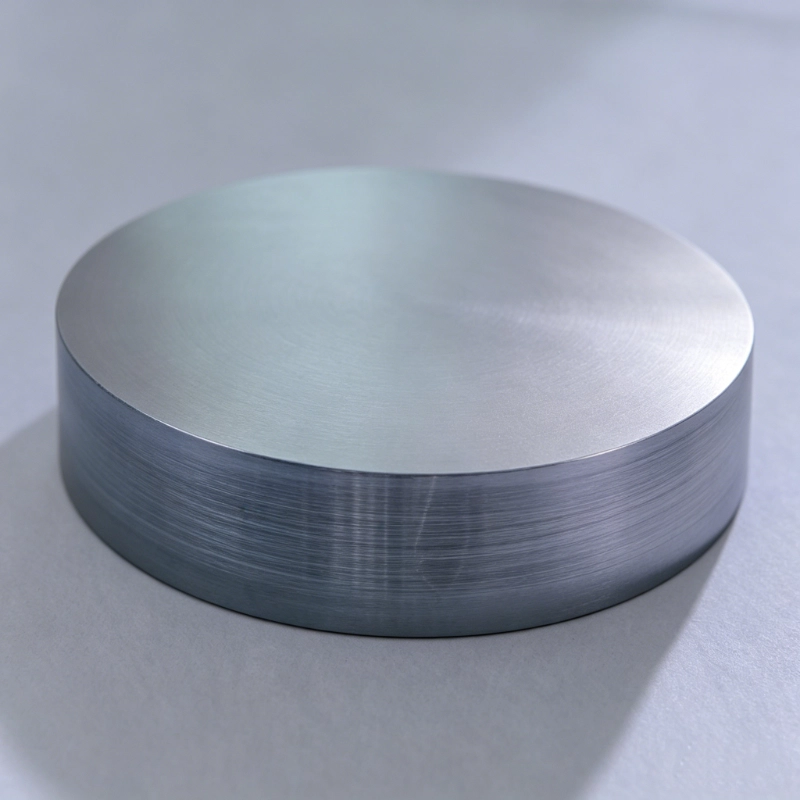
Silicon Wafers
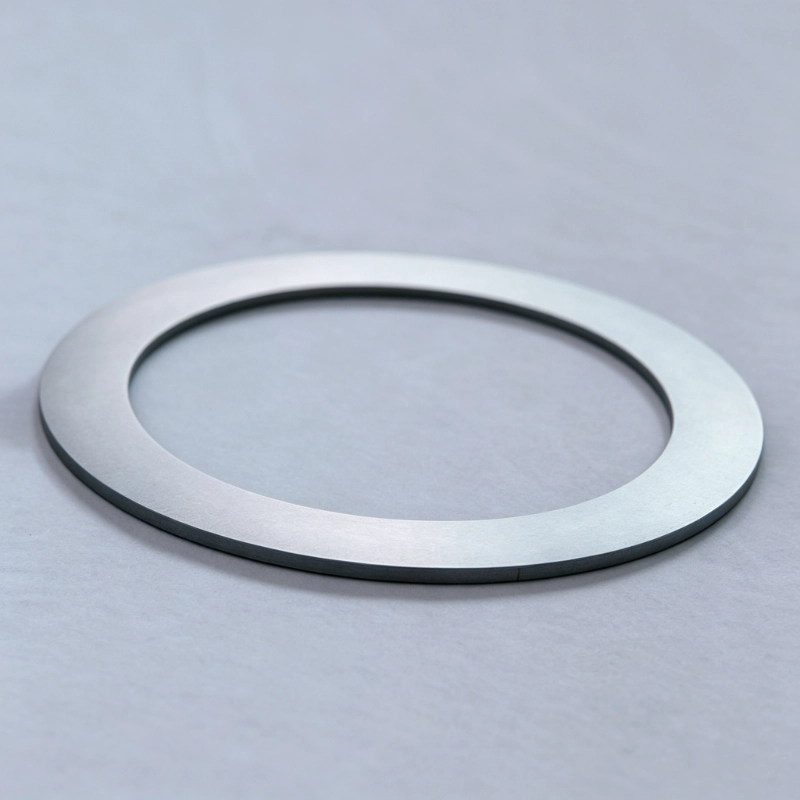
Silicon ring
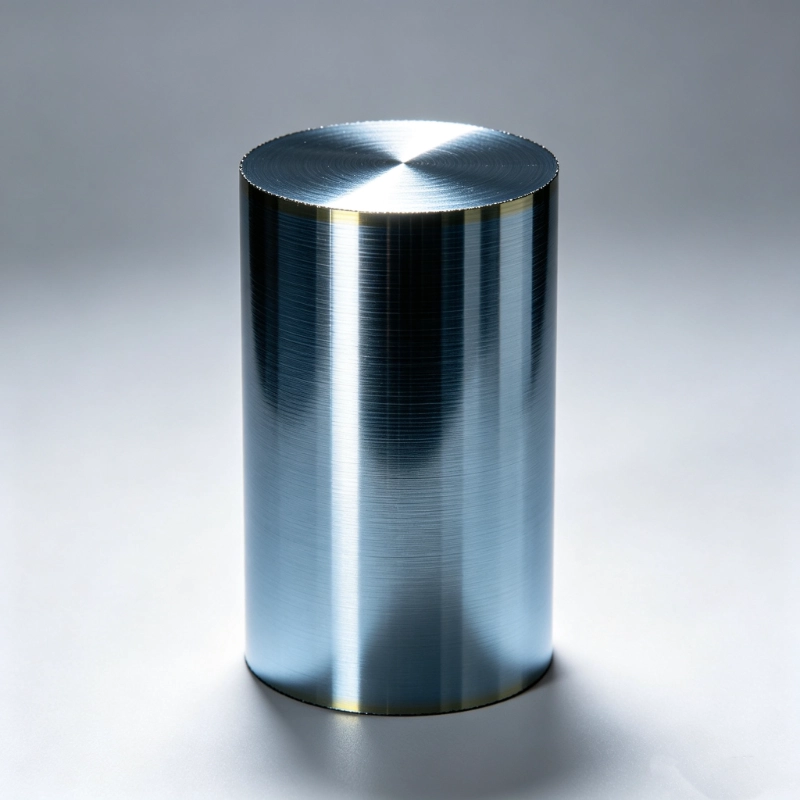
Silicon rods
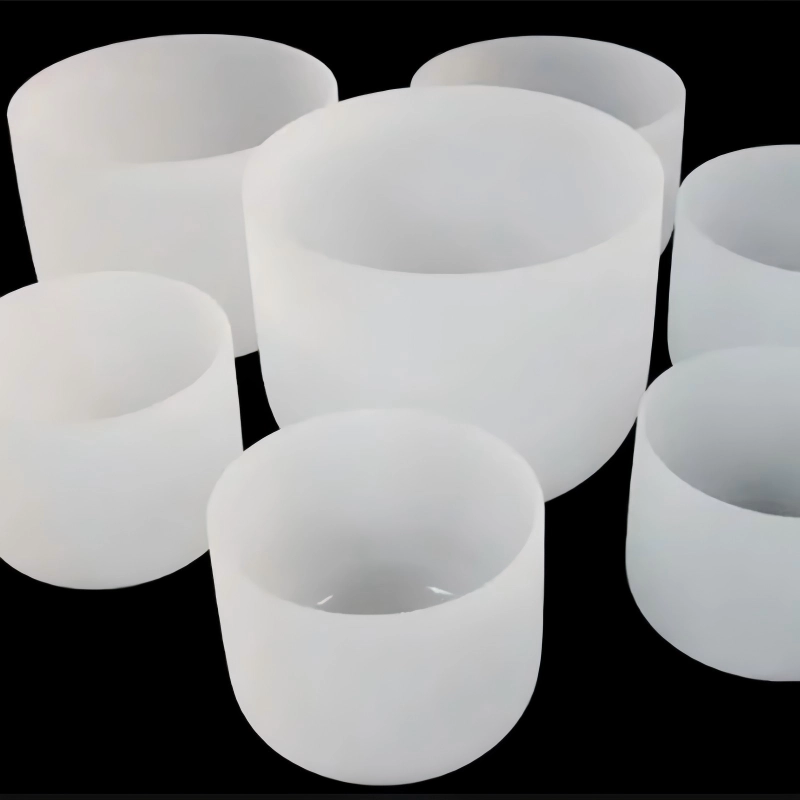
Quartz crucible
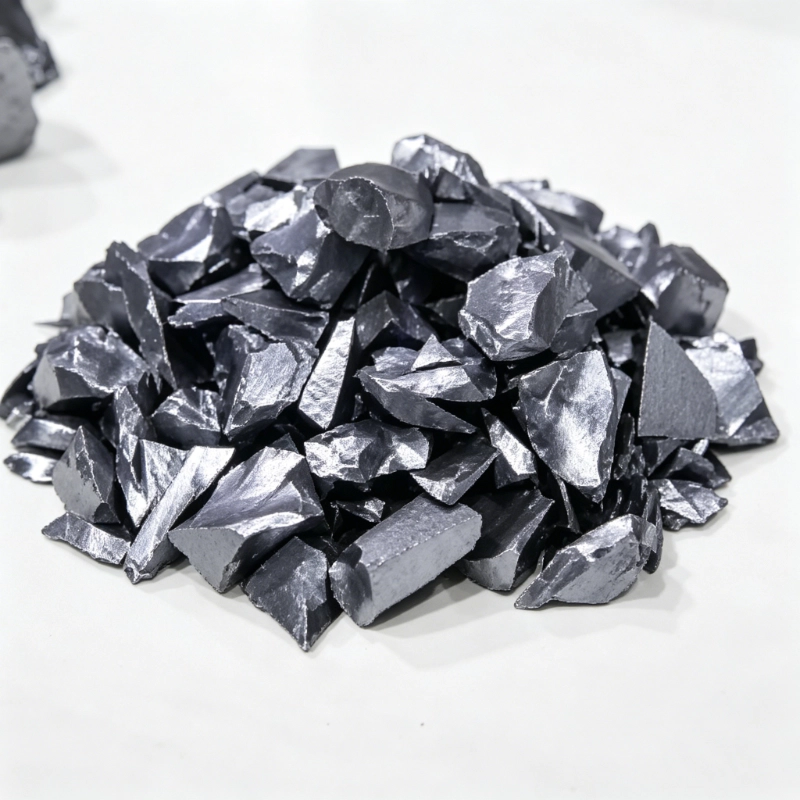
Electronic-grade polycrystalline silicon (bulk)
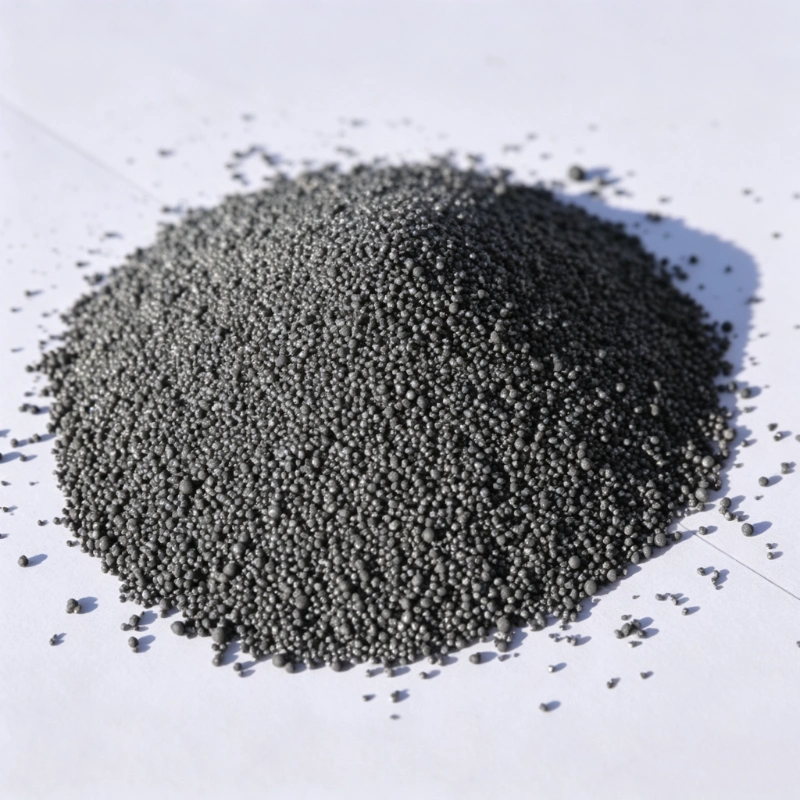
Electronic-grade polycrystalline silicon (particles)
News & Announcements
Recent Articles
 15th October 2026
Can a Small Batch Qualify Semiconductor Raw Materials?
 8th October 2026
Why Does Electronic Grade Polysilicon Price Vary?
 2nd October 2026
What Purity and Resistivity Data Should a High Purity Silicon Ingot Provide?
 10th September 2026
How Does a Quartz Crucible Affect Purity During Semiconductor Crystal Pulling?
 23rd September 2026
Why Does Silicon Wafer Price Vary for 8- and 12-Inch Sizes?
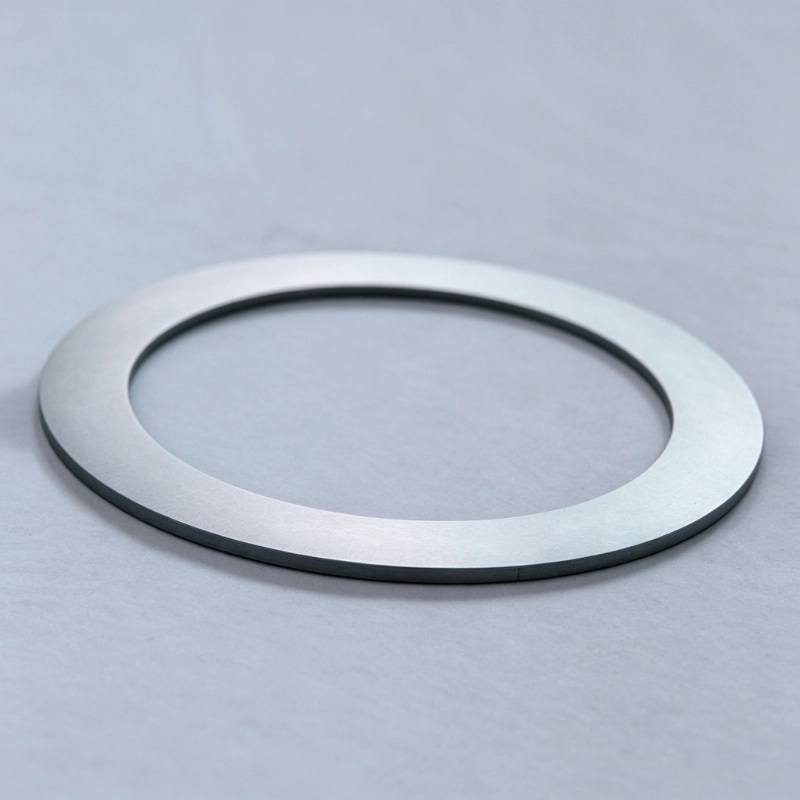 17th September 2026
How Does a Silicon Focus Ring Improve Etch Uniformity?
Our Service
Quality testing services

Supply chain management services

Partner with us for reliable semiconductor solutions.
Whether you need standard semiconductor materials or custom technical specifications, our expert engineering team is ready to help. Submit your requirements now and receive a detailed, professional quote within 24 hours.
Request A Quote