Why Does Electronic Grade Polysilicon Price Vary?
-
 author
- 8th October 2026
Electronic grade polysilicon price is rarely determined by purity alone. A quotation for 9N, 10N, or 11N material also reflects the form supplied, the impurity limits that must be demonstrated, the quantity and order stage, and the testing, packaging, and logistics included. Those details explain why electronic grade polysilicon price should be treated as a scoped purchasing figure rather than a universal market number. Japanese buyers comparing quotations need one technical and commercial basis so that a lower number is not simply excluding an essential part of qualification.
What Does Electronic Grade Polysilicon Price Include?
The first step is to define what the quotation covers. Electronic-grade polysilicon is used as a feedstock for Czochralski growth, and the project knowledge base identifies granular and chunk forms across the 9N-11N range. The material name alone does not establish the accepted impurity profile, form, lot size, or evidence package. A buyer should therefore ask each supplier to price the same grade, form, quantity, test scope, packaging, delivery term, and destination.
For a Japanese procurement team, this definition changes the meaning of electronic grade polysilicon price. One supplier may quote material only, while another may include lot testing, a customized purity report, export documents, and coordinated delivery. The two numbers are not comparable until those inclusions are aligned. THE EQUATOR’s electronic-grade polysilicon range covers granular and chunk materials, so the inquiry should state which form and downstream process are being evaluated.

Which Inputs Move Electronic Grade Polysilicon Price?
Electronic grade polysilicon price usually moves with five connected inputs: purity and impurity control, physical form, order quantity, evidence requirements, and delivery scope. They should be reviewed together because a change in one can alter the practical cost of qualification and use.
Purity and Impurity Control
The difference between 9N and 11N is not a simple label change. Each additional nine implies a lower allowable concentration of contaminants, but a buyer still needs the element list, reporting limits, test method, and lot represented by the result. A supplier that can adjust impurity controls to a defined semiconductor process may quote differently from a supplier offering a broad grade description. This is why 9N polysilicon price and 11N polysilicon price should be compared with the same impurity definitions, not only with the number of nines.
The requested evidence can also affect the quotation. A certificate of analysis may describe a standard release, while a buyer may need a customized purity report or additional analysis for a new process. That added evidence is part of the practical electronic grade polysilicon price, even when it is shown as a separate line. Quality testing services can be scoped to purity, electrical characteristics, dimensions, surface defects, or other requirements, but the exact tests should be agreed before the price is compared.
Granular Versus Chunk Form
Physical form affects handling, loading, packaging, and the way a buyer evaluates the material. Granular polysilicon can suit controlled feeding, while chunk polysilicon may be specified by size distribution and handling rules for a particular furnace charge. Neither form is automatically the lower-cost choice. The relevant question is whether the offered form matches the customer’s feed system and qualification method.
When a quotation changes because of form, request the size range, packaging configuration, cleanliness controls, and lot identity behind the change. The form should be stated beside the purity grade in the request for quotation. This prevents a price comparison from mixing a granular material with a chunk product that carries different preparation and inspection work.
Quantity and Order Stage
Electronic grade polysilicon price can differ between an evaluation sample, a small trial batch, and a long-term centralized order. The supplier must allocate preparation, testing, packing, and export work even when the first order is small. A buyer should state whether the quotation is for a sample, a qualification lot, a repeat batch, or an annual supply discussion.
THE EQUATOR supports sample orders, small-batch trials, batch orders, and longer-term centralized procurement, subject to the product and specification. That staged route lets a Japanese buyer separate the cost of proving a material from the later cost of a repeat supply arrangement. A trial quotation should not be treated as a guaranteed future price; it is a price for a defined approval step.
How Should Buyers Compare an Electronic Grade Polysilicon Quotation?
An electronic grade polysilicon quotation becomes useful when every line can be traced to an acceptance requirement. Ask for the material form, purity grade, key impurity limits, test scope, lot size, packaging, requested delivery term, and validity period. If a price is conditional on a nominated production base or a specific test report, that condition should appear in the same quotation record.
Buyers should also separate material price from qualification cost. A test report, sample preparation, special packaging, and export coordination may be priced separately or included. Either approach can work if the scope is visible. THE EQUATOR’s product range can be reviewed alongside the inquiry so the quoted material type, form, and downstream use are clear.
What Evidence Protects the Buying Decision?
The best way to manage electronic grade polysilicon price is to connect the number to evidence. The purchase record should identify the specification revision, sample or lot, certificate, test date, and acceptance decision. If the buyer changes the impurity limit, form, quantity, or delivery term, the quotation should be reissued rather than amended informally.
For cross-border orders, documentation and shipment identifiers matter as much as the unit number. Supply-chain management services can coordinate sourcing, import or export procedures, and logistics, while the buyer retains the acceptance decision. This separation helps procurement compare like with like and gives quality teams a clear record when a later lot is reviewed.

If you need a quotation for 9N-11N electronic-grade polysilicon, send the required form, impurity limits, quantity, test evidence, packaging, and destination to THE EQUATOR’s technical inquiry team. The response can then state what is included in the electronic grade polysilicon price and which items remain conditional.
FAQs
Q: Is 11N polysilicon price always higher than 9N polysilicon price?
A: Not automatically. A higher purity target can require tighter process control and additional evidence, but the final quotation also depends on form, quantity, testing, packaging, and delivery terms. Compare both grades against the same documented scope before drawing a price conclusion.
Q: Should buyers compare polysilicon price per kg first?
A: Unit price is useful only after the grade, form, lot size, test scope, and delivery basis are aligned. A lower price per kilogram may exclude qualification testing or special packaging that the buyer still needs. Request a complete quotation record before ranking suppliers.
Q: What should a Japanese buyer send when requesting an electronic grade polysilicon quotation?
A: Send the intended process, 9N-11N grade or impurity limits, granular or chunk form, sample or batch quantity, required reports, packaging conditions, destination, and timing. This gives the supplier a defined basis for electronic grade polysilicon price and makes the response easier for procurement and quality teams to review.


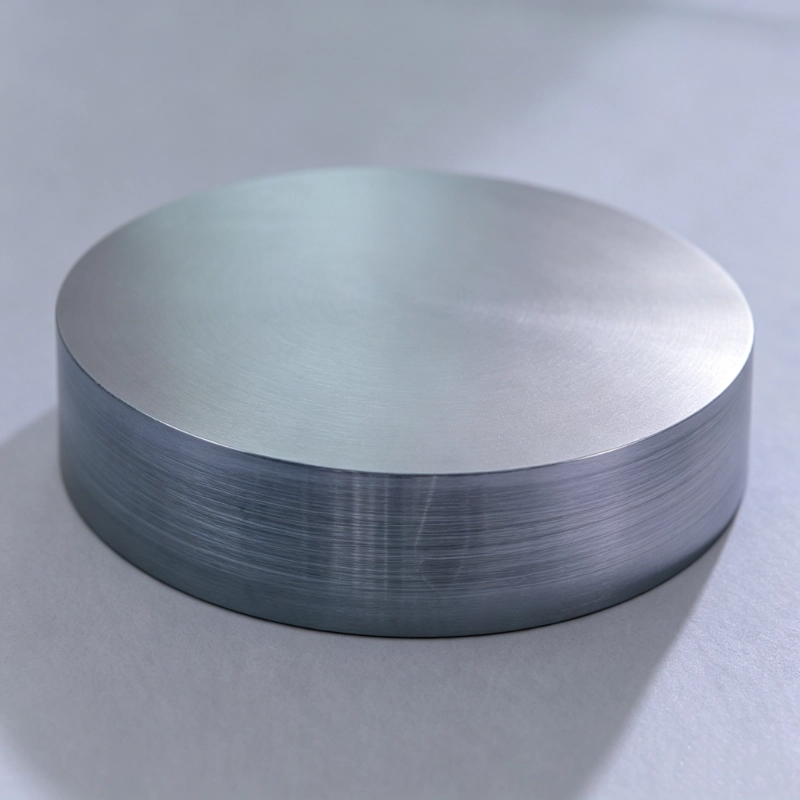
Silicon Wafers

Silicon ring
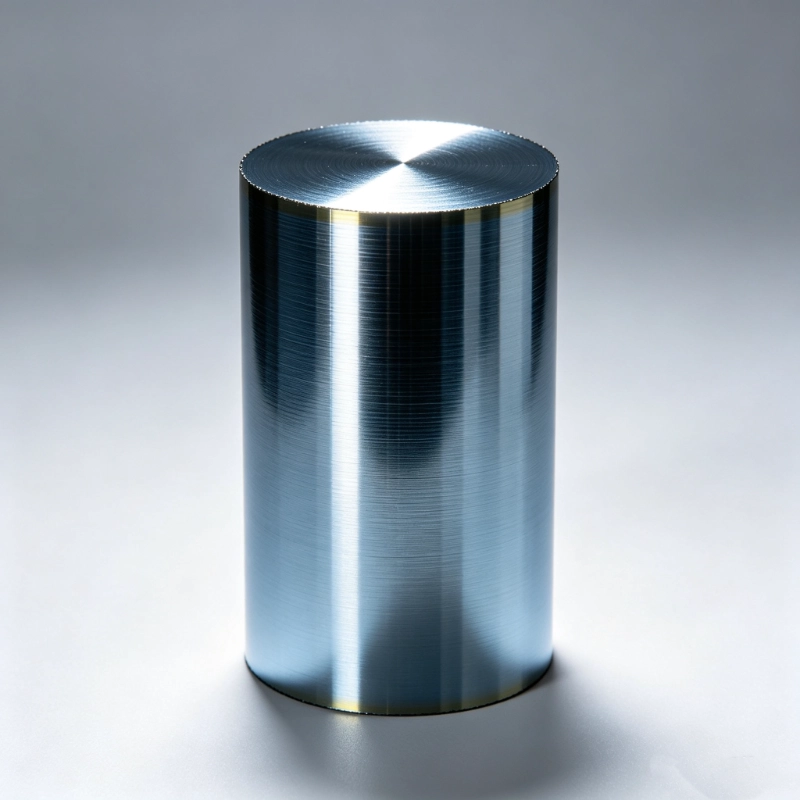
Silicon rods
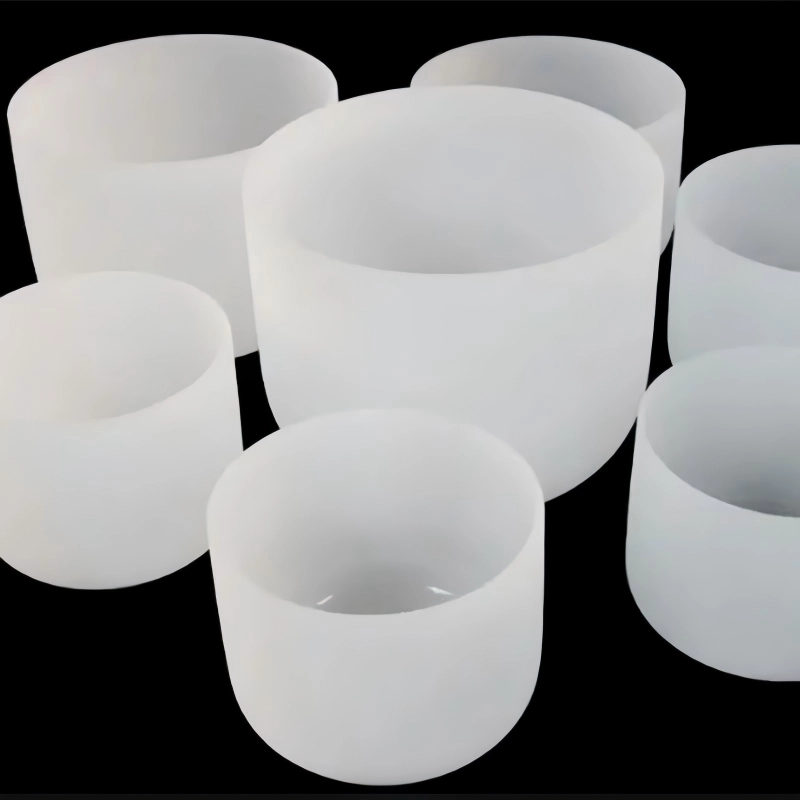
Quartz crucible
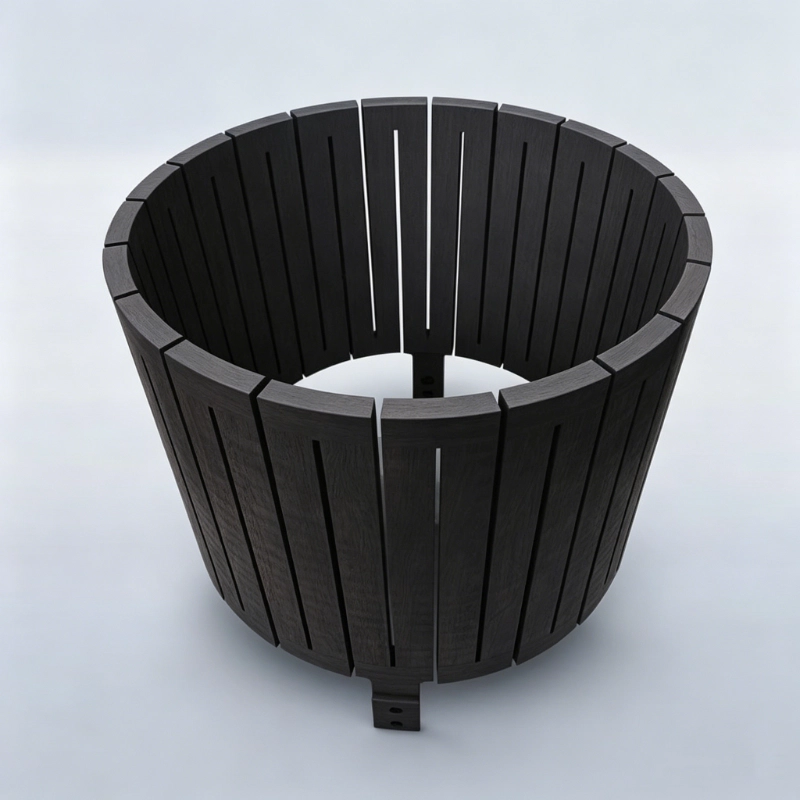
Graphite parts
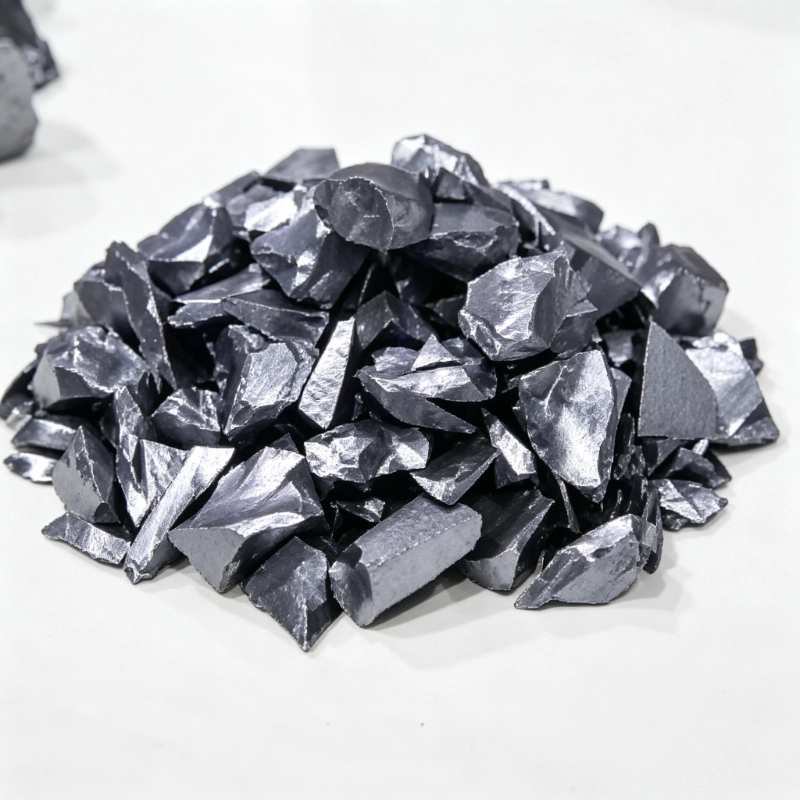
Electronic-grade polycrystalline silicon (bulk)

Partner with us for reliable semiconductor solutions.
Whether you need standard semiconductor materials or custom technical specifications, our expert engineering team is ready to help. Submit your requirements now and receive a detailed, professional quote within 24 hours.
Request A Quote